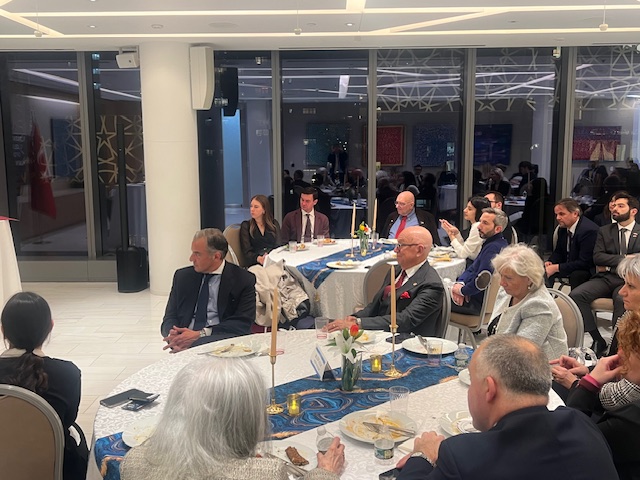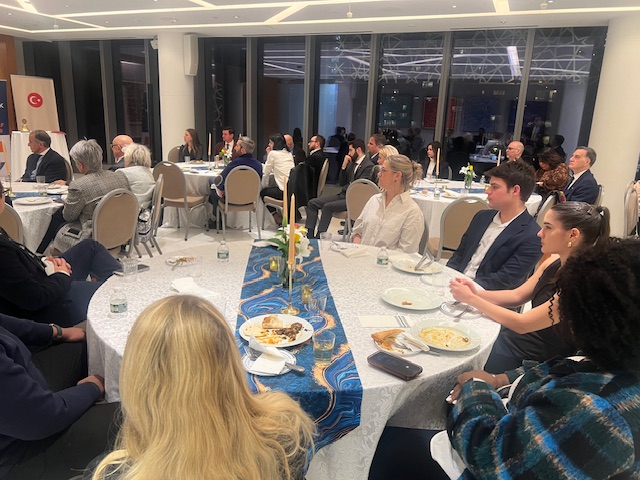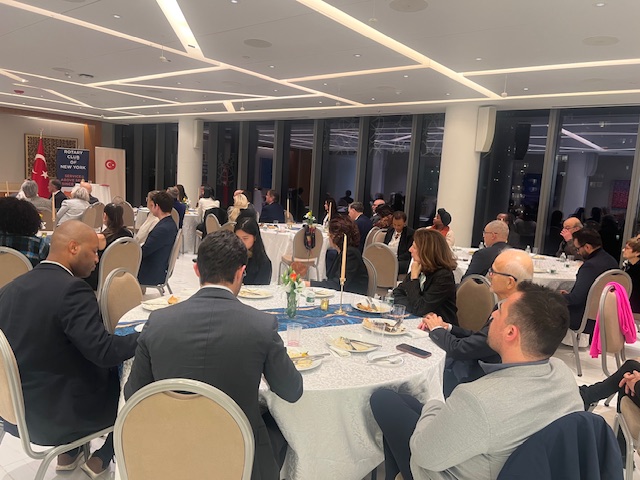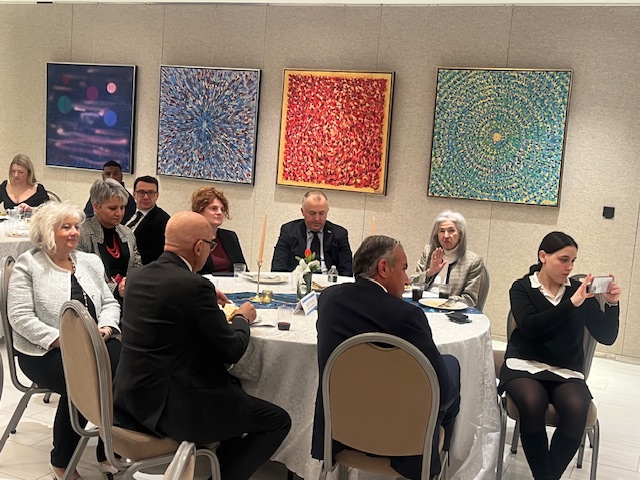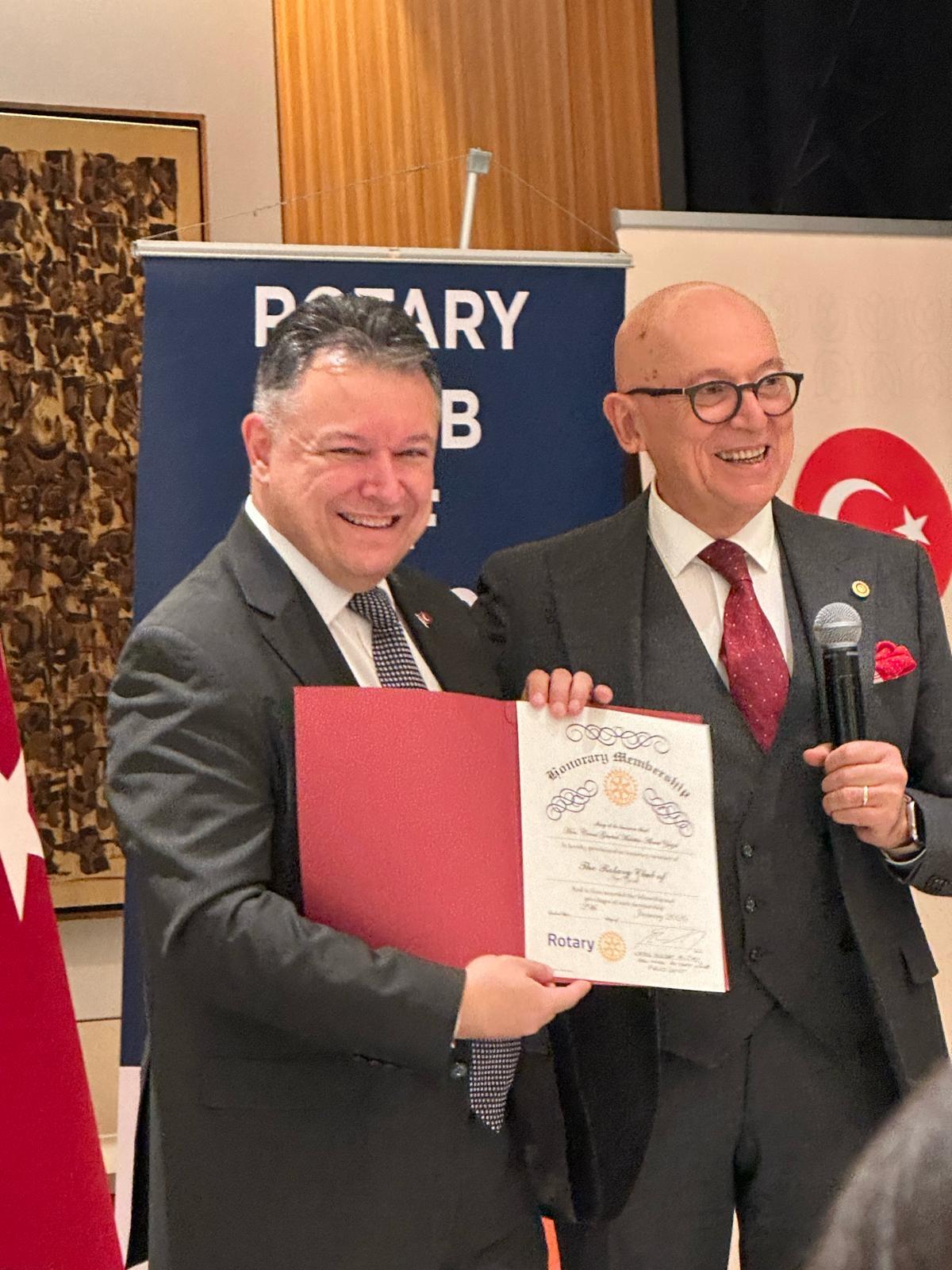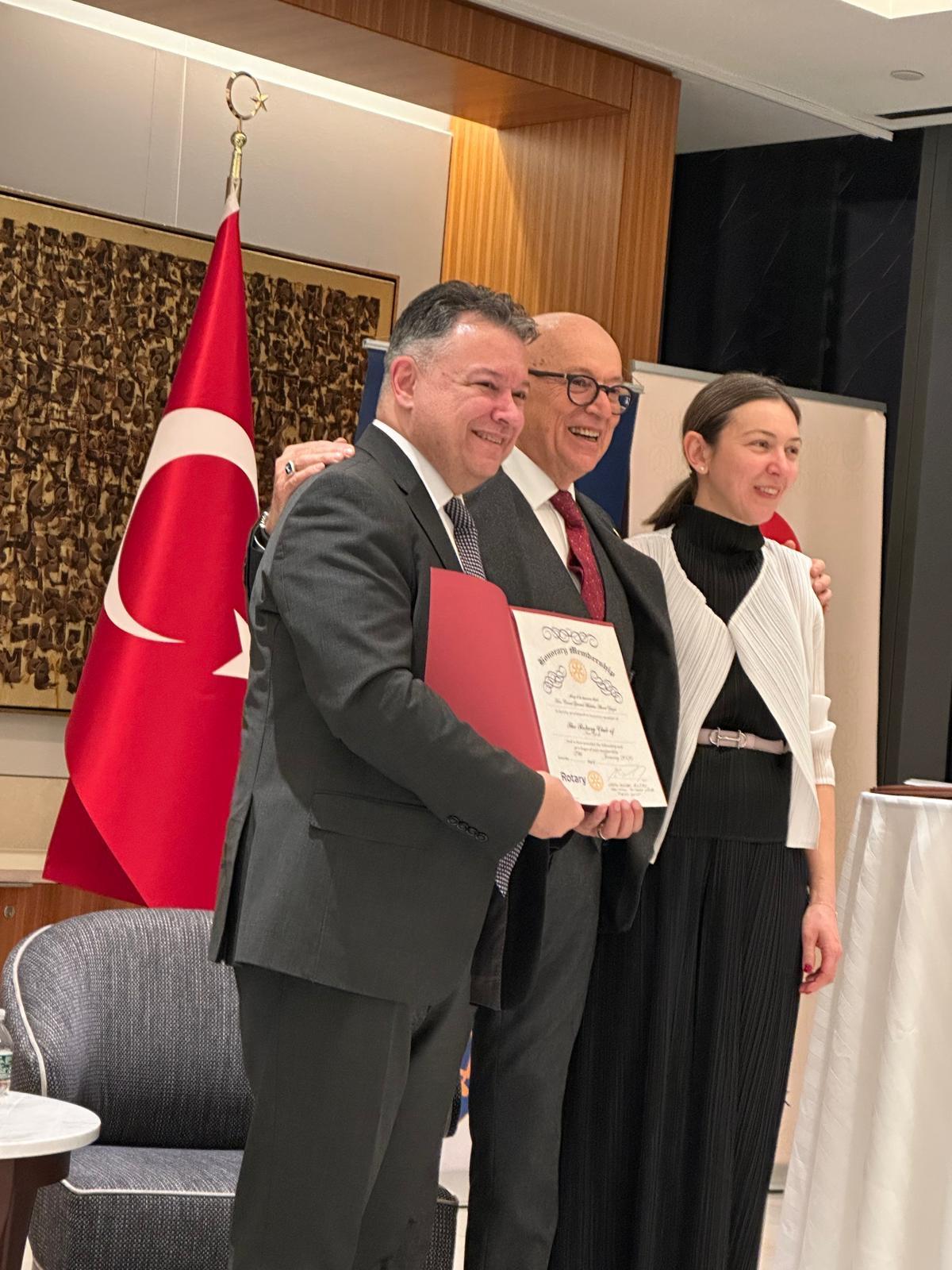
First Consular Session at the Turkish House, January 29, 2026 - Meeting notes and impressions
Notes on the Consular Series at the Turkish House, 29 January 2026
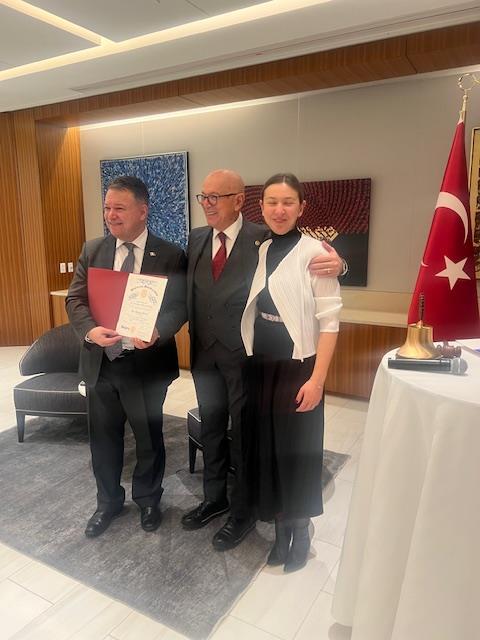
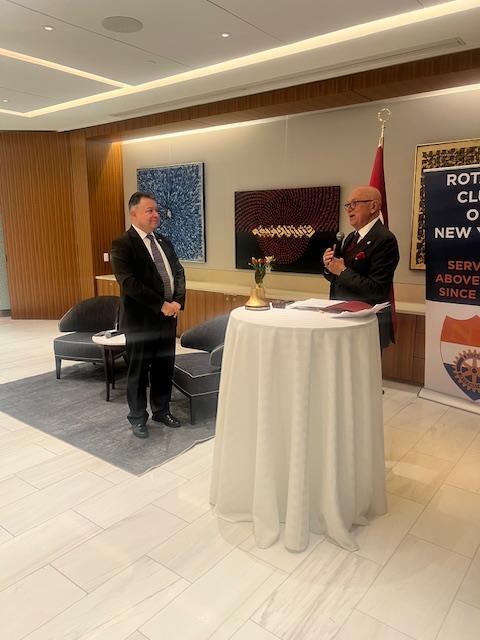
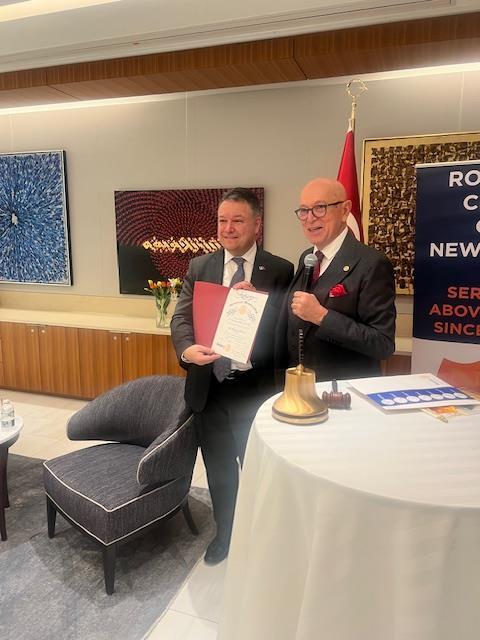
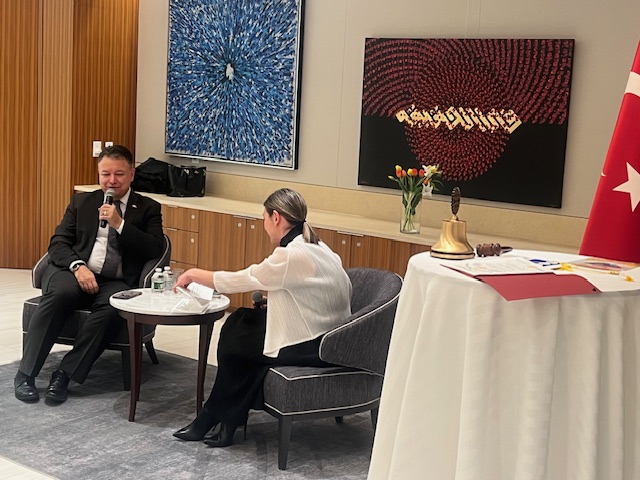
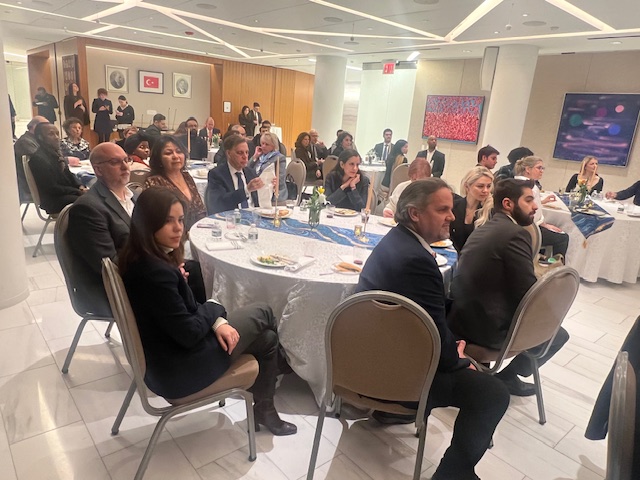
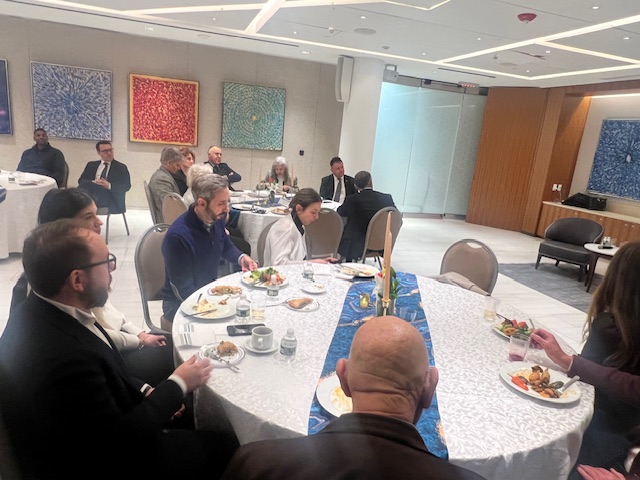
The Consular Series held at the Turkish House on 29 January 2026 featured a discussion with Muhittin Ahmet
Yazal, Consul General of Türkiye in New York. The conversation focused on diplomatic careers, consular work,
and the main challenges facing diplomacy today. The session was moderated by Çigdem Atay Binal.
Ambassador Yazal explained that he decided to become a diplomat at a very early age. While many people
around him were unsure about their future, he already knew what he wanted to do. His interest in diplomacy was
partly influenced by his uncle, who worked as a diplomat. At that time, it was difficult for people in Türkiye to
travel or live abroad, and diplomacy offered a rare opportunity to gain international experience. He shared that
he remains very happy with his career choice and believes that loving one’s job is essential for long-term
satisfaction.
When speaking about his role in New York, Ambassador Yazal emphasized how demanding and unique the
position is. Türkiye has a very large diplomatic network, with around 200 embassies and 100 consulates
worldwide (3rd largest diplomatic network), and New York holds a particularly important place within this
system. The city’s global nature leads to a wide variety of daily responsibilities. He also highlighted the diversity
of the Turkish community in New York, which includes people from many social and professional backgrounds.
According to him, effective consular work requires reaching out to everyone and treating all members of the
community with equal respect.
Ambassador Yazal described success in diplomacy as a long-term process rather than a series of quick results.
He explained that diplomacy is not about winning or competing, but about building relationships over time. As
he said during the discussion, “it is not a race, but more like a long walk where you carry the flag as far as
possible.” Past experiences, including mistakes, help diplomats grow, learn, and adapt to different situations and
environments.
Meetings are a key part of diplomatic work. Ambassador Yazal explained that this includes both meeting the
same people regularly to maintain relationships and meeting new people to expand networks. In New York, this
work is closely linked to the size of the Turkish population. While official numbers mention around 130,000
people, he estimates that the real number is closer to 250,000. He also stressed the importance of coordination
with other Turkish consulates, each of which has a different focus, such as trade in New York, corporate interests
in Houston, and academic relations in Boston.
He also spoke about how diplomacy is learned step by step. Early in their careers, diplomats often start with
tasks such as reading the news and tracking references to their country. Over time, they take on more
responsibility as negotiators and administrators. According to Ambassador Yazal, a good diplomat needs three
key skills: the ability to negotiate, strong people skills, and solid administrative abilities.
The discussion also addressed the changing global context. Ambassador Yazal noted that digital technologies,
social media, artificial intelligence, and geopolitical shifts have made diplomacy more complex. Information
spreads quickly, and misinformation is harder to control, leaving less space for traditional negotiation. As he
explained, the work of diplomats today often involves “damage control rather than negotiation.” Despite these
challenges, he stressed that consular work remains deeply human, as it is centered on helping people and
responding to their needs with empathy and care.
When reflecting on Türkiye today, Ambassador Yazal warned against simple or one-sided views of the country.
He emphasized Türkiye’s long history and internal diversity and explained that it cannot be understood through
media narratives alone. To truly understand the country, he advised people to “go and see” for themselves. He
also expressed strong pride in representing Türkiye while recognizing the complexity of its international image.
The session concluded with Ambassador Yazal’s reflections on effective consular leadership. He summarized it
as being visible, earning trust, and staying closely connected to the needs and concerns of the Turkish
community.
The Consular Series held at the Turkish House on 29 January 2026 featured a discussion with Muhittin Ahmet
Yazal, Consul General of Türkiye in New York. The conversation focused on diplomatic careers, consular work,
and the main challenges facing diplomacy today. The session was moderated by Çigdem Atay Binal.
Ambassador Yazal explained that he decided to become a diplomat at a very early age. While many people
around him were unsure about their future, he already knew what he wanted to do. His interest in diplomacy was
partly influenced by his uncle, who worked as a diplomat. At that time, it was difficult for people in Türkiye to
travel or live abroad, and diplomacy offered a rare opportunity to gain international experience. He shared that
he remains very happy with his career choice and believes that loving one’s job is essential for long-term
satisfaction.
When speaking about his role in New York, Ambassador Yazal emphasized how demanding and unique the
position is. Türkiye has a very large diplomatic network, with around 200 embassies and 100 consulates
worldwide (3rd largest diplomatic network), and New York holds a particularly important place within this
system. The city’s global nature leads to a wide variety of daily responsibilities. He also highlighted the diversity
of the Turkish community in New York, which includes people from many social and professional backgrounds.
According to him, effective consular work requires reaching out to everyone and treating all members of the
community with equal respect.
Ambassador Yazal described success in diplomacy as a long-term process rather than a series of quick results.
He explained that diplomacy is not about winning or competing, but about building relationships over time. As
he said during the discussion, “it is not a race, but more like a long walk where you carry the flag as far as
possible.” Past experiences, including mistakes, help diplomats grow, learn, and adapt to different situations and
environments.
Meetings are a key part of diplomatic work. Ambassador Yazal explained that this includes both meeting the
same people regularly to maintain relationships and meeting new people to expand networks. In New York, this
work is closely linked to the size of the Turkish population. While official numbers mention around 130,000
people, he estimates that the real number is closer to 250,000. He also stressed the importance of coordination
with other Turkish consulates, each of which has a different focus, such as trade in New York, corporate interests
in Houston, and academic relations in Boston.
He also spoke about how diplomacy is learned step by step. Early in their careers, diplomats often start with
tasks such as reading the news and tracking references to their country. Over time, they take on more
responsibility as negotiators and administrators. According to Ambassador Yazal, a good diplomat needs three
key skills: the ability to negotiate, strong people skills, and solid administrative abilities.
The discussion also addressed the changing global context. Ambassador Yazal noted that digital technologies,
social media, artificial intelligence, and geopolitical shifts have made diplomacy more complex. Information
spreads quickly, and misinformation is harder to control, leaving less space for traditional negotiation. As he
explained, the work of diplomats today often involves “damage control rather than negotiation.” Despite these
challenges, he stressed that consular work remains deeply human, as it is centered on helping people and
responding to their needs with empathy and care.
When reflecting on Türkiye today, Ambassador Yazal warned against simple or one-sided views of the country.
He emphasized Türkiye’s long history and internal diversity and explained that it cannot be understood through
media narratives alone. To truly understand the country, he advised people to “go and see” for themselves. He
also expressed strong pride in representing Türkiye while recognizing the complexity of its international image.
The session concluded with Ambassador Yazal’s reflections on effective consular leadership. He summarized it
as being visible, earning trust, and staying closely connected to the needs and concerns of the Turkish
community.
Notes kindly taken and presented by Anais Clermont